
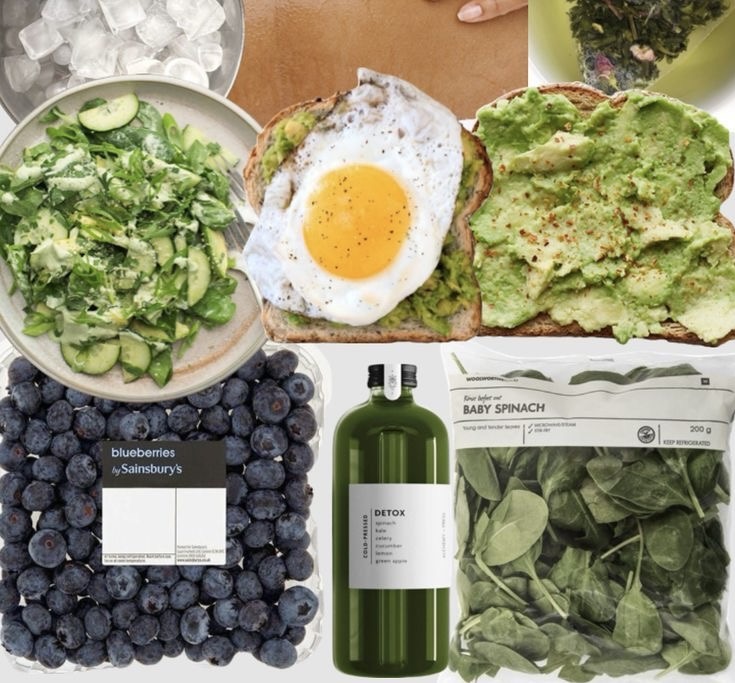
Every time I add avocados, matcha, green tea and those fresh salad greens to our grocery cart, I can’t help but wonder, why does eating healthy feel like a luxury? Meanwhile, a pack of 10 chips on 15% off or an energy drink is cheaper than a single cold pressed juice.
It’s confusing, especially when I think about how much health issues cost later in life. Is junk food really cheaper, or is there a hidden cost we’re ignoring?
Fresh and healthy foods have a higher marginal cost per calorie than processed snacks. Avocados and yoghurt require quick, cold transportation and have a shorter shelf life. Chips, on the other hand, are made from subsidised crops like corn and potatoes, processed in bulk and can sit in warehouses or on store shelves for months without losing value, reducing storage and wastage costs. Governments worldwide subsidise these crops to ensure food security, leading to oversupply and low prices for producers. This keeps prices low for the consumer while still protecting profit margins for big food companies.
Then there’s demand elasticity. Demand for cheap, calorie dense snacks is highly elastic, lower prices lead to higher demand, ensuring consistent sales volumes for producers. Clean eating options like kale and matcha have lower demand, and even if I and a few others are obsessed with them, we’re a small fraction of the market, so producers can’t lower prices through increasing sales.
Behavioural economics ( my favourite topic) also kicks in here. We discount future costs (like medical bills from diseases such as diabetes and cardiovascular diseases ) because of present bias, prioritising immediate gratification from cheap junk over the long term benefits of clean eating.
We think chips or ramen is “cheaper” without considering the hidden future costs in the form of healthcare.
There’s also signalling theory. We associate expensive health foods with discipline, wellness and even status. Brands notice this and price “clean” and “organic” products higher because we’re willing to pay for them. Healthy eating becomes a luxury good instead of a normal good, adding a weird social premium to the price of simply taking care of your body.
The Law of Diminishing Marginal Utility, which we study in microeconomics, also affects why junk food stays cheap and tempting. The first bite of a chocolate bar gives high satisfaction (high marginal utility), but each additional bite gives less satisfaction, so we stop at some point. Companies know this and package junk in small, cheap sizes, keeping demand steady without making people feel they’re overspending. That is why it feels like a better deal in the moment, even though your body would have thanked you for spending that money on organic vegetables instead.
Then there is also the time cost as a hidden currency in healthy eating. Economists define opportunity cost as the value of the best alternative use of your time or money. Healthy eating demands a bit of time investment in terms of planning meals, researching nutrition, grocery shopping in multiple places to find fresh produce and cooking from scratch. Time spent here is time not spent studying, working, or even resting after a hard day, which has an implicit economic cost.
As a 17 year old who genuinely loves avocado toast and green juices, I’ve noticed this stark price difference. It’s ironic how we think we save a few rupees by buying chips, but the cost comes back multiplied as future hospital bills. It doesn’t make sense that prioritising fitness goals and clean eating feels financially punishing.
My mother often jokes that once I start earning myself, I’ll finally realise how expensive my healthy eating habits are. I don’t necessarily agree though since I can’t help but think that is eating chips and drinking sugary energy drinks with insanely high caffeine really cheaper, or is there a hidden cost we’re all paying quietly?
 The Fiscal Factor
Leave a comment