
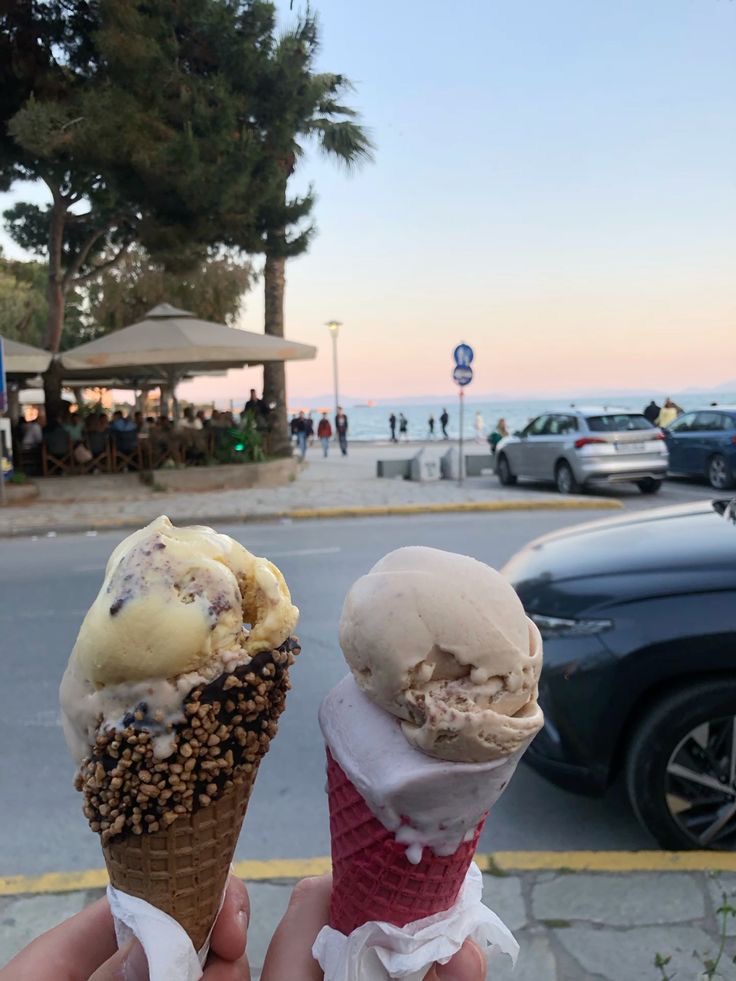
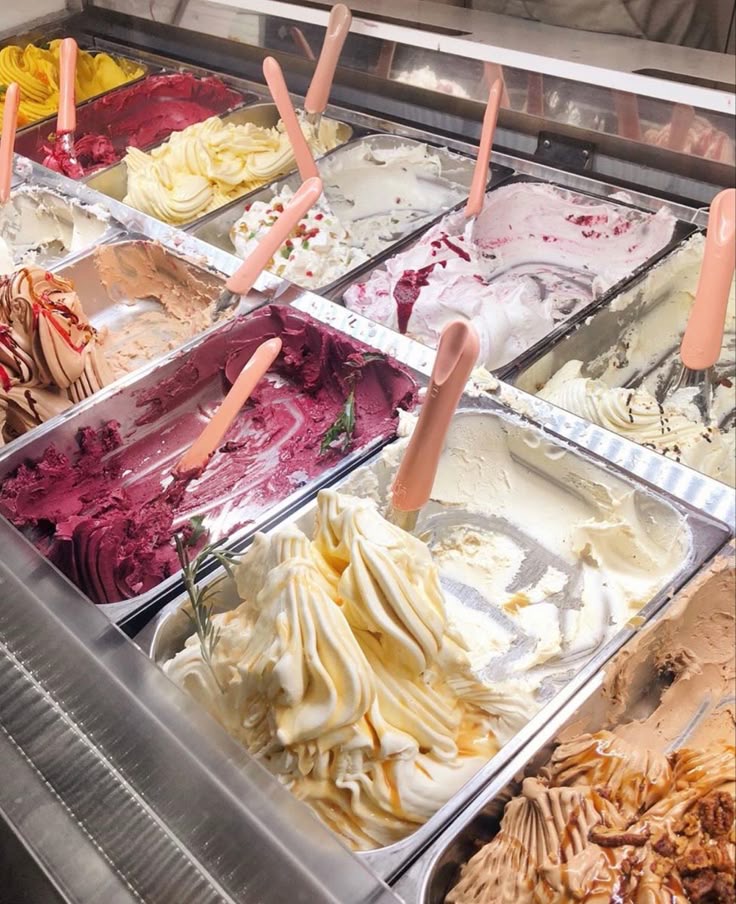
I recently visited a beach city and couldn’t help but notice something fascinating, as the tide rolled in and the crowds thickened, prices around me seemed to rise just as naturally. Ice creams that may have costed a 100 rupees inland, doubled. Sunscreen suddenly costs more and renting a beach chair feels like renting prized real estate. Yet none of us hesitated. We paid, smiled, and justified. Why do consumers willingly spend more near coastal areas? What drives this behaviour? As I sat watching the waves roll in and out, I realised: consumer choices at the beach mirror the ocean’s rhythm — shifting, surging, and retreating in perfect sync with demand and supply.
The sun is hot, the ocean is calling, and comfort feels priceless. At the coast, people become impulse buyers. The sun scorches, and suddenly, a chilled drink feels worth double its usual price.The scarcity of shaded spots or the last available surfboard pushes urgency over rational thought, that last available umbrella or cold drink seems far more valuable when surrounded by hundreds of sun-soaked tourists.
During high tide, the beach is alive. The waves are more powerful, the energy more vibrant and crowd gathers. Vendors raise prices and demand increases. Surfboard rentals rise high with the tide. This is demand in motion: as the tide rises, so does the value of convenience
But as the waves retreat, so do the crowds. Low tide leaves behind calm waters and empty chairs. Vendors soften prices, offer friendly discounts, and tempt the lingerers with last chance deals. The same cold drink becomes cheaper and bundle offers appear
The market naturally softens with the waves.
Now, why are beachfront restaurants unbelievably costly? A beachfront view is a luxury, and people willingly pay more for a meal with the sound of crashing waves. The restaurant isn’t just selling food, it’s selling an experience. Vacationers indulge more, treating meals as part of the moment rather than just sustenance and accept the inflated prices.
At the beach, consumer behaviour flows like the waves, not always logical, but guided by feeling. A cold drink or an ice cream becomes a small luxury. Behavioural economics shows this beautifully, we don’t always think first, we feel first. The sun, the waves, and the moment create small wants into must-haves, making the market dance with the sea.
Markets, much like the sea, move in cycles. They surge, settle, and adapt. Whether you’re a vendor on the sand or a businessperson in the city, you need to learn to ride the waves of demand and adjust your supply and pricing or risk being stranded by the tide.
When you stand by the shore, notice not only the waves beauty but also a live economic dance – tides rise, demand swells, prices surge, and then everything retreats only to return again.


 The Fiscal Factor
Leave a reply to Abhinav Punia Cancel reply